
Why Is My Pet’s Face Swollen? When It’s an Emergency
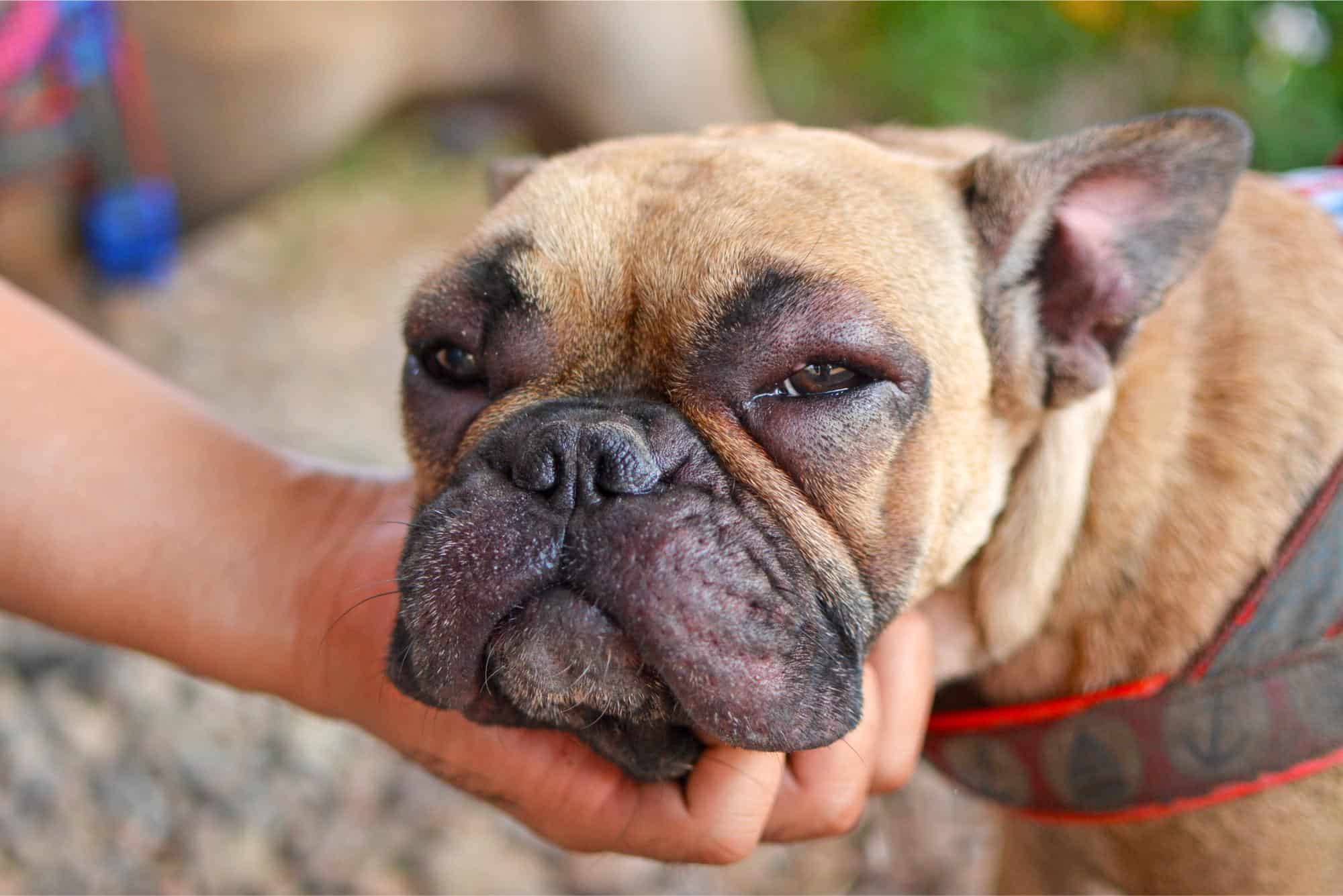
A suddenly puffy muzzle, swollen eyelid, or enlarged cheek can be startling to see on your dog or cat. Facial swelling in pets can have many possible causes, ranging from an insect sting to a dental problem, and some require immediate veterinary attention.
At Animal Medical Hospital & Urgent Care in Charlotte, NC, our team can evaluate your pet’s symptoms, identify the cause of the swelling, and recommend appropriate care.
What Can Cause Facial Swelling in Pets?
The location of the swelling, how quickly it appeared, and any other symptoms can offer important clues about the cause. Common possibilities include:
- Allergic reactions: An allergic reaction in dogs or cats can cause sudden swelling around the muzzle, eyes, lips, or face.
- Insect bites and stings: Pet insect bites and stings from bees, wasps, spiders, or other insects may cause localized swelling, redness, itching, or discomfort.
- Dental problems: An infected or abscessed tooth can cause swelling along the cheek, jaw, or beneath an eye.
- Injuries: Trauma to the face, including bites from another animal, can lead to pain and swelling.
- Infections or abscesses: Bacterial infections beneath the skin may produce a swollen, tender area that can worsen without treatment.
- Growths or masses: Swelling that develops gradually or doesn’t go away may sometimes be associated with a cyst, tumor, or other abnormal growth.
Because these conditions can look similar from the outside, it’s often difficult to determine the cause of facial swelling at home. A veterinary exam can help distinguish a relatively minor problem from one that needs prompt treatment.
When Is Facial Swelling a Veterinary Emergency?
Sudden facial swelling can be one of several veterinary emergency symptoms, particularly when it’s part of a severe allergic reaction. Swelling involving the mouth or throat may interfere with breathing, and a serious reaction can progress quickly.
Seek emergency veterinary care right away if your pet’s facial swelling is accompanied by:
- Difficulty breathing or noisy breathing
- Collapse, weakness, or extreme lethargy
- Pale or bluish gums
- Repeated vomiting or diarrhea
- Rapidly increasing swelling
- Swelling of the throat or neck
- Significant trauma or uncontrolled bleeding
Don’t wait to see whether these symptoms improve on their own. If your pet is struggling to breathe, collapses, or appears critically ill, seek emergency veterinary care immediately.
What Should You Do if Your Pet’s Face Is Swollen?
If your pet is breathing comfortably and otherwise seems stable, contact your veterinarian for guidance. Note when you first noticed the swelling and whether your pet recently spent time outdoors, encountered an insect, chewed on something unusual, experienced an injury, or showed signs of dental discomfort.
Avoid giving your pet antihistamines, pain relievers, or other medications unless a veterinarian specifically instructs you to do so. Human medications aren’t always safe for pets, and the correct medication and dose depend on your pet’s individual circumstances.
Even when swelling seems mild, veterinary evaluation may be warranted, especially if it’s painful, persistent, worsening, or recurring. Depending on the cause, treatment may involve medications for an allergic reaction, wound care, infection treatment, or dental care.
Find a Charlotte Urgent Care Veterinarian
When your pet’s face suddenly swells, knowing where to turn can make a stressful situation easier to manage. Animal Medical Hospital & Urgent Care provides appointment-based urgent care for conditions such as bites and stings. We recommend calling ahead so we can ensure our veterinarians have the capacity to see your pet.
If you’re looking for urgent care because your pet has developed facial swelling or other concerning symptoms, call us at (704) 334-4684. If your pet is experiencing a life-threatening emergency, seek emergency veterinary care immediately.